What is a Cataract?
A cataract is a cloudy area that forms in the lens of your eye. Because of this cloudiness, vision becomes blurry or dim. Over time, cataracts can make it hard to see clearly. In fact, cataracts are the leading cause of vision loss worldwide, according to the World Health Organization (WHO).
Why Understanding Causes Matters
Knowing the most common causes of cataract can help you protect your eyesight. For example, some causes can be avoided or managed. Others may need regular eye check-ups. When you understand the risk factors for cataract, you can take steps to lower your risk. Early action may help prevent or delay vision problems.
Most Common Causes of Cataract
Cataracts can develop for many reasons. However, some causes are more common than others. Let’s look at the main risk factors for cataract.
Age-related Changes
Most cataracts happen as people get older. In fact, age-related cataracts are the most common type. As you age, the proteins in your eye’s lens can break down and clump together. This makes the lens cloudy. According to the CDC, most people over age 60 have some lens clouding, even if it does not affect vision right away.
Diabetes and Other Medical Conditions
Some health problems can raise your risk of cataracts. For example, people with diabetes are more likely to develop cataracts at a younger age. High blood sugar can change the lens and cause it to become cloudy. Other conditions, like high blood pressure, may also play a role.
Eye Injuries
Sometimes, an injury to the eye can cause a cataract. This is called a traumatic cataract. Even a small injury can damage the lens. Because of this, it is important to protect your eyes during sports or work.
Prolonged Exposure to Sunlight (UV Radiation)
Spending a lot of time in the sun without eye protection can increase your risk. Ultraviolet (UV) rays from sunlight can harm the lens over time. Wearing sunglasses that block UV rays can help lower this risk.
Smoking and Alcohol Use
Smoking is a strong risk factor for cataracts. Chemicals in tobacco smoke can damage the lens. In addition, heavy alcohol use may also raise your risk. Cutting back on smoking and alcohol can help protect your eyes.
Family History and Genetics
If someone in your family had cataracts, you may be more likely to get them too. Genetics can play a role in how and when cataracts develop. While you cannot change your genes, knowing your family history can help you stay alert for early signs.
Use of Certain Medications (e.g., Steroids)
Some medicines can increase your risk of cataracts. For example, long-term use of steroid medicines (like prednisone) is linked to cataract formation. If you need these medicines, talk to your doctor about eye health.
Prevention Tips
While not all cataracts can be prevented, you can lower your risk by making healthy choices. Here are some tips:
When to See an Eye Specialist
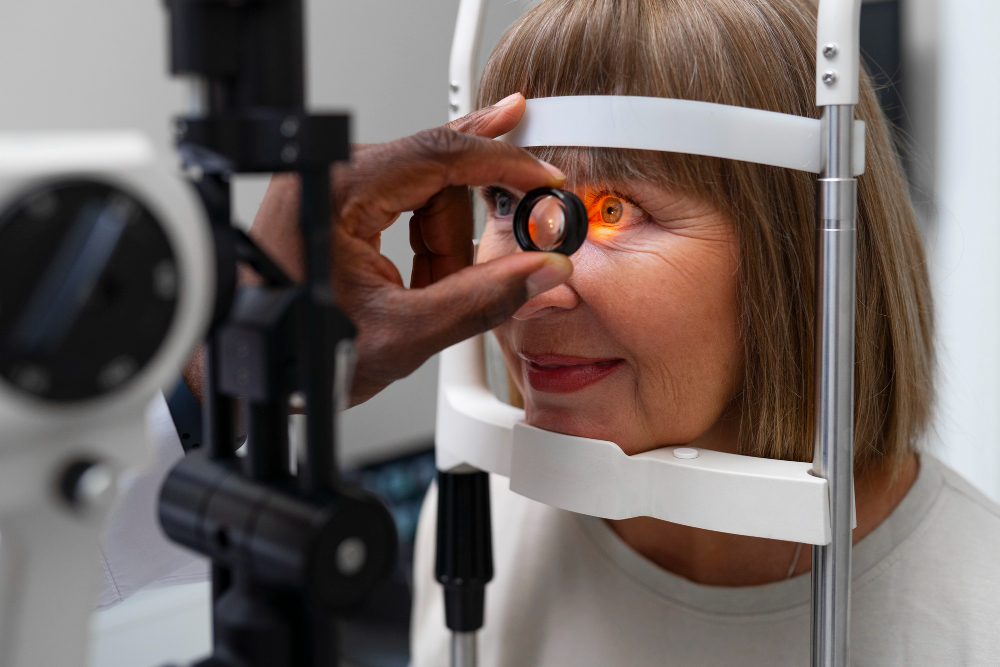
If you notice blurry vision, trouble seeing at night, or colors looking faded, it may be time to see an eye doctor. Early treatment can help prevent vision loss. Even if you have no symptoms, regular eye check-ups are important, especially as you get older. An eye specialist can check for cataracts and other eye problems.
For personalized advice on cataract prevention and treatment, consult an eye specialist.