Introduction
Cataracts are a common eye problem, especially as people age. Early detection of cataract signs can help protect your vision. Because cataracts develop slowly, many people do not notice the changes right away. However, knowing the early symptoms can make a big difference. In this blog, you will learn how to spot cataract signs, what to look for at home, and when to seek help from an eye specialist.
What Are Cataracts?
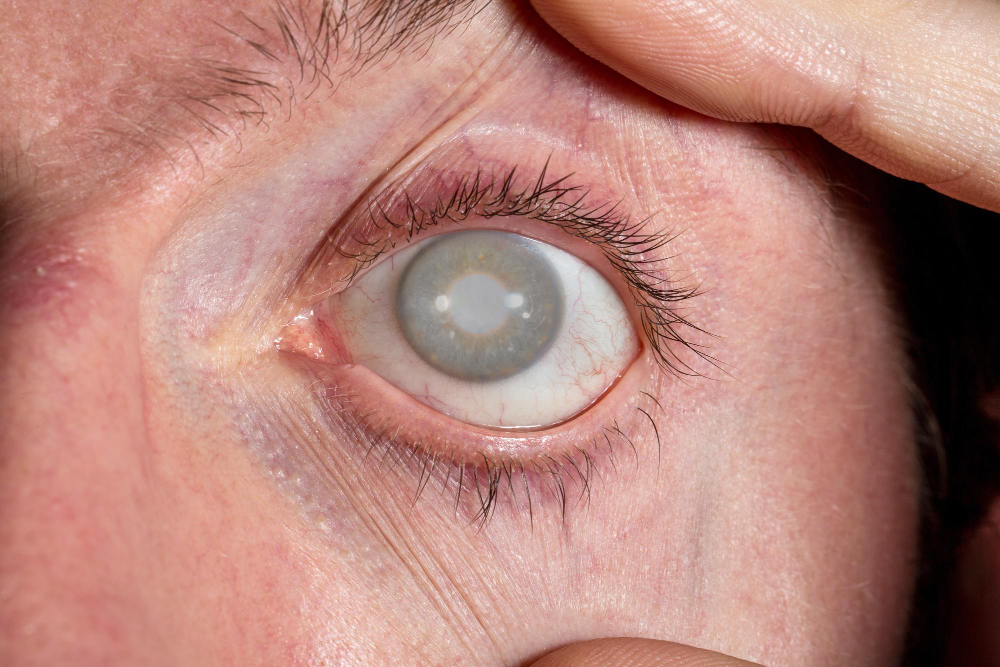
Cataracts happen when the clear lens inside your eye becomes cloudy. This cloudiness blocks light from passing through, making it hard to see clearly. Over time, cataracts can cause vision loss if not treated. According to the World Health Organization (WHO), cataracts are a leading cause of blindness worldwide. Although they are most common in older adults, anyone can develop cataracts.
Common Cataract Signs and Early Symptoms
Recognizing cataract signs early can help you get the right care. While symptoms may start slowly, they often become more noticeable over time. Some common cataract signs include:
For example, you might notice that reading becomes harder or that lights seem too bright. If you see halos around lights, this can also be a sign.
How to Identify Cataract Signs at Home
At home, you can watch for changes in your eyesight. For instance, pay attention if you need more light to read or if you struggle to see faces clearly. Here are some simple ways to check for cataract signs:
However, these signs can also be caused by other eye problems. Therefore, regular eye exams are important for everyone, especially as you get older.
When to See an Eye Specialist
If you notice any cataract signs, it is important to see an eye specialist. Early treatment can help prevent vision loss. You should seek help if:
Even if your symptoms are mild, an eye doctor can check your eyes and suggest the best treatment. Sometimes, cataracts may not need surgery right away. But regular check-ups help track any changes.
Preventive Tips and Eye Health Guidance
Although you cannot always prevent cataracts, some steps can help keep your eyes healthy. For example, you can:
In addition, keeping your eyes safe from injury and avoiding too much alcohol can help. Early action and healthy habits make a big difference for your vision.
If you notice any cataract signs, consult an eye specialist for personalized advice.