What Are Refractive Errors?
Refractive errors are common vision problems that affect how your eyes focus light. When light does not focus correctly on the retina, you may see blurry images. In fact, refractive errors are a leading cause of vision issues worldwide. Many people need glasses or contact lenses to see clearly. However, some may not notice mild symptoms at first.
Common Types of Refractive Errors
There are several types of refractive errors. Each type affects vision in a different way. The most common types include:
Causes of Refractive Errors
Several factors can cause refractive errors. Usually, they happen when the shape of your eye prevents light from focusing properly. For example, the eyeball may be too long or too short. Sometimes, the cornea or lens has an irregular shape. In addition, genetics can play a role. If your parents have vision problems, you may be more likely to develop them too. Age is another factor, especially for presbyopia.
Symptoms to Watch For
Refractive errors can cause many symptoms. Early signs may be mild, but they often get worse over time. Watch for these common symptoms:
If you notice any of these symptoms, it is important to get an eye exam soon.
How Refractive Errors Are Diagnosed
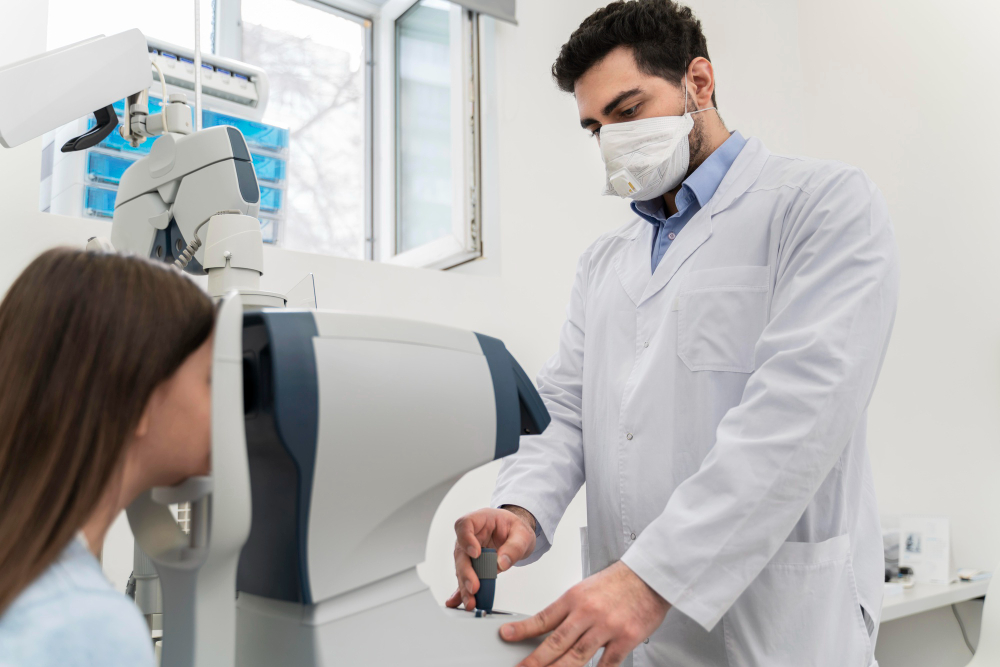
Eye doctors use simple tests to diagnose refractive errors. First, they will ask about your symptoms and health history. Next, they will perform a vision test using an eye chart. In addition, they may use special tools to measure how your eyes focus light. Sometimes, drops are used to widen your pupils for a better look. Regular eye exams are key for early detection, especially in children and older adults.
Treatment Options for Refractive Errors
There are several ways to treat refractive errors. Your eye doctor will suggest the best option for you. Common treatments include:
With proper treatment, most people can see clearly and enjoy daily activities.
Tips for Eye Health and Prevention
While you cannot always prevent refractive errors, you can protect your eyes. Try these tips for better eye health:
Early detection and care can help prevent vision loss.
When to See an Eye Specialist
It is important to see an eye specialist if you notice changes in your vision. For example, sudden blurry vision, eye pain, or flashes of light need quick attention. Children should have regular eye exams to catch problems early. Adults over 40 should also get checked often, as presbyopia and other issues can develop with age. Remember, early treatment can protect your sight and improve your quality of life.
If you have questions about refractive errors or vision care, consult an eye specialist for personalized advice.