Pterygium is a common eye condition. It happens when a pink, fleshy growth forms on the white part of your eye. This growth can move toward the cornea, which is the clear front part of your eye. Many people call it “surfer’s eye” because it often affects those who spend a lot of time outdoors. Knowing the symptoms of pterygium helps you spot problems early. Early care can protect your vision and eye health. In this blog, you will learn about the top six symptoms of pterygium, also known as eye growth symptoms and pterygium warning signs.
1. Visible Growth on the Eye
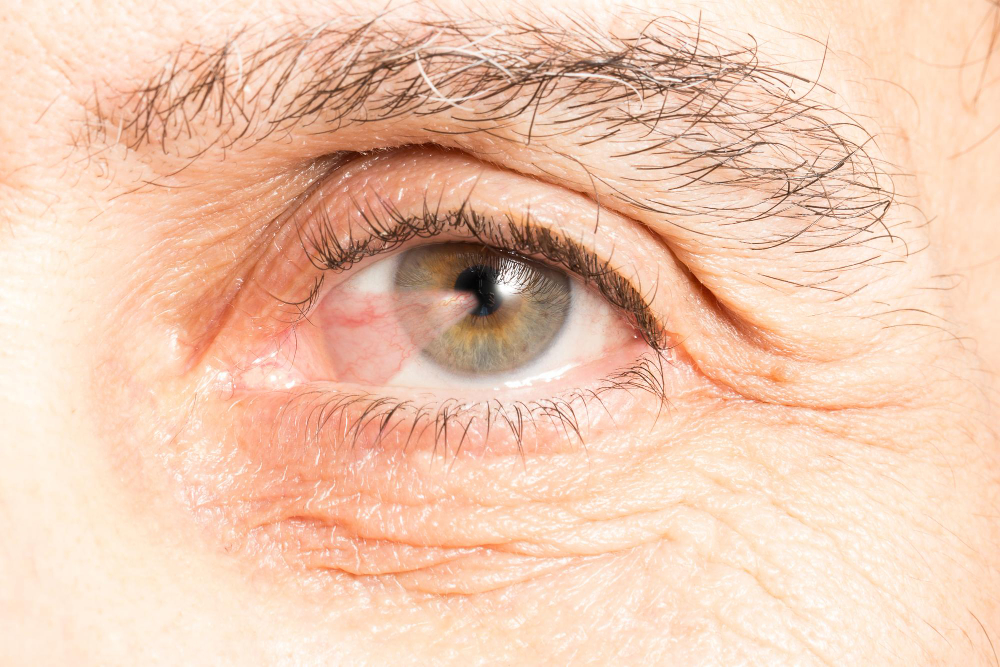
First, you may notice a small, raised spot on the white part of your eye. This spot is usually pink or red. Over time, it can grow larger and move closer to your cornea. For many people, this is the first and most obvious sign.
2. Redness and Irritation
Often, the eye becomes red or feels irritated. This happens because the growth can cause mild inflammation. As a result, your eye may look bloodshot or feel scratchy.
3. Dryness or Gritty Feeling
Next, you might feel like your eye is dry or gritty. This happens because pterygium can affect how your eye makes tears. Therefore, your eye may not stay moist enough.
4. Blurry Vision
As the growth gets bigger, it can cover part of your cornea. When this happens, your vision may become blurry. This is a serious warning sign and should not be ignored.
5. Burning or Stinging Sensation
Many people with pterygium feel a burning or stinging in their eye. This can happen at any time but is often worse in dry or windy weather. Because of this, you may want to avoid outdoor activities.
6. Feeling of Something in the Eye
Finally, you might feel like there is something stuck in your eye. This is called a “foreign body sensation.” Even though nothing is there, the growth can make your eye feel uncomfortable.
When to See an Eye Specialist
It is important to watch for these eye growth symptoms. If you notice any pterygium warning signs, you should see an eye specialist. Early treatment can help prevent vision loss and keep your eyes healthy. According to the World Health Organization and leading eye health experts, regular eye checks are key for everyone, especially if you spend a lot of time outdoors.
Summary
To sum up, pterygium is a common eye problem. The main symptoms of pterygium include a visible growth, redness, dryness, blurry vision, burning, and a feeling of something in the eye. Knowing these signs helps you act early. Protect your eyes by wearing sunglasses and avoiding too much sun. Consult an eye specialist if you notice any symptoms of pterygium for personalized advice.