
What is a Corneal Ulcer?
A corneal ulcer is an open sore on the clear front part of your eye, called the cornea. This part helps you see clearly. When an ulcer forms, it can cause pain, redness, and even vision loss. Because the cornea protects your eye, any damage here can be serious. Early care is important to prevent lasting problems. According to the World Health Organization, corneal ulcers are a leading cause of vision loss worldwide. If you notice any early signs of corneal ulcer, you should seek help quickly.
Common Symptoms of Corneal Ulcers
Corneal ulcer symptoms can appear suddenly or develop over a few days. For this reason, it is important to watch for changes in your eyes. Some symptoms are easy to spot, while others may be mild at first. However, even mild symptoms can quickly get worse. Here are common signs to look for:
Sometimes, symptoms may be mild at first. Yet, they can get worse quickly. If you notice any of these early signs of corneal ulcer, see an eye doctor right away.
Main Causes and Risk Factors
Corneal ulcers often happen because of infections. Bacteria, viruses, fungi, or parasites can all cause these sores. However, not all ulcers are from infections. Sometimes, injuries or other eye problems can lead to ulcers. Here are some main causes and risk factors:
For example, people who wear contact lenses are at higher risk. In addition, poor lens care can increase the chance of infection. According to the CDC, cleaning your lenses properly lowers your risk.
How Corneal Ulcers are Diagnosed
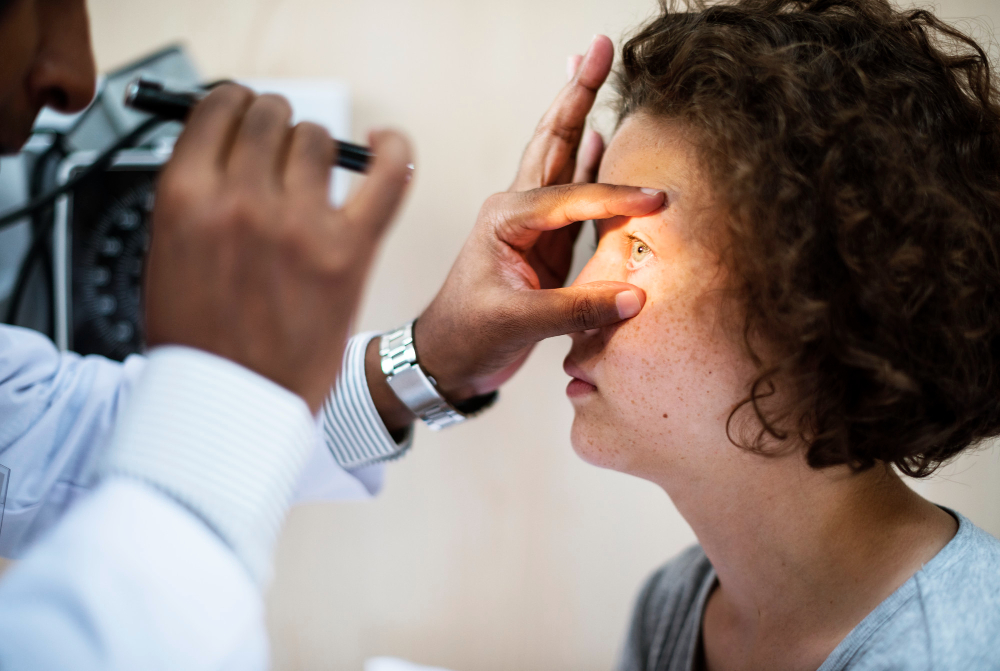
Doctors use several steps to diagnose a corneal ulcer. First, they will ask about your symptoms and eye history. Next, they will examine your eye with a special light called a slit lamp. This tool helps them see the cornea in detail. Sometimes, doctors use a dye to highlight the ulcer. In some cases, they may take a small sample from the ulcer to find out what is causing it. This helps them choose the right treatment for corneal ulcer.
Treatment Options for Corneal Ulcers
Treatment for corneal ulcer depends on the cause. Early treatment can help save your vision. Most often, doctors use eye drops to fight infection. For bacterial ulcers, antibiotic drops are common. If a virus is the cause, antiviral drops may be used. Sometimes, antifungal drops are needed. In addition, doctors may give pain relief drops or ointments. Here are some common treatments:
Because ulcers can get worse quickly, it is important to follow your doctor’s advice. Never use old or leftover eye drops without medical guidance.
Tips for Prevention and Eye Care
Preventing corneal ulcers is possible with good eye care habits. Since many ulcers are linked to infections, keeping your eyes clean is key. Here are some helpful tips:
For people with dry eyes or other eye problems, regular check-ups can help catch issues early. By following these steps, you can lower your risk and keep your eyes healthy.