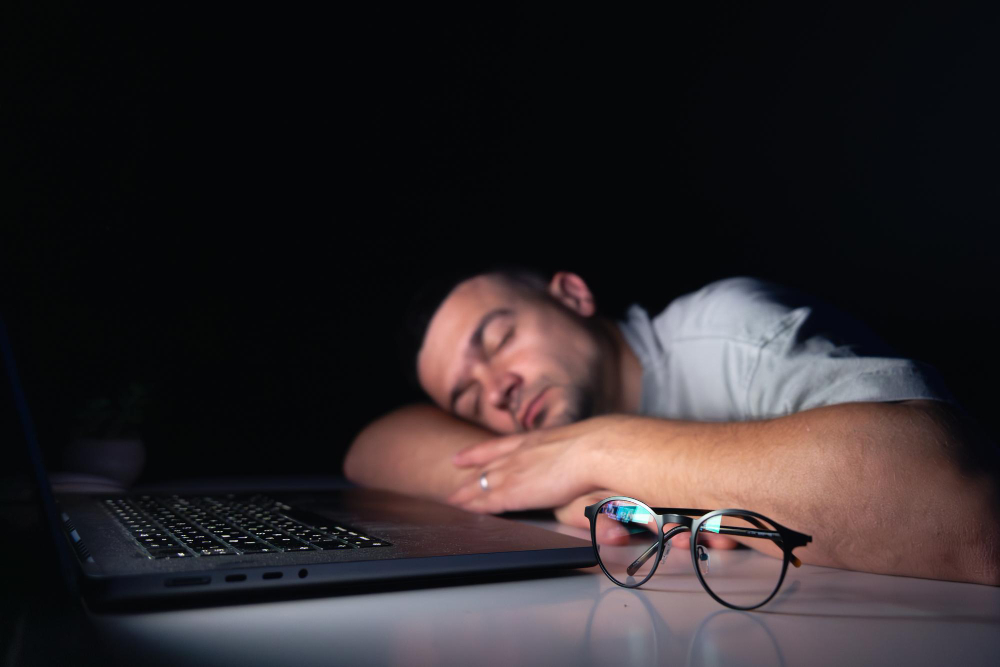
Many people use screens late at night, but few know how blue light blocks sleep hormones. In fact, blue light from phones, tablets, and computers can lower melatonin, the hormone that helps you sleep. Because of this, screen time and sleep problems often go hand in hand. If you want to know how to fix blue light sleep issues, this guide will help you understand the science and offer easy solutions.
What Is Blue Light?
First, it helps to know what blue light is. Blue light is a type of light with short, high-energy waves. While sunlight is the main source, screens and LED lights also give off blue light. Because we use digital devices so much, our eyes get more blue light than ever before. For example, smartphones, tablets, and TVs all shine blue light directly into our eyes.
How Blue Light Affects Sleep Hormones
Blue light blocks sleep hormones by tricking your brain into thinking it is still daytime. As a result, your body makes less melatonin, which is the hormone that helps you feel sleepy. Even small amounts of blue light at night can keep you awake longer. Therefore, using screens before bed can make it harder to fall asleep and stay asleep.
The Science Behind Melatonin Suppression
Melatonin is a natural hormone made by your brain. It tells your body when it is time to sleep. However, blue light and melatonin do not mix well. According to the CDC, blue light stops your brain from making enough melatonin. In fact, studies show that just two hours of screen time at night can lower melatonin levels by up to 22%. Because of this, you may feel alert when you should feel tired.
Symptoms of Blue Light Exposure at Night
Too much blue light at night can cause several problems. For instance, you might notice:
Because these symptoms can affect your daily life, it is important to manage blue light exposure.
How Dark Mode Helps Reduce Blue Light
Dark mode is a setting on many devices that changes the background to black or dark gray. As a result, it reduces the amount of blue light your screen gives off. While dark mode does not block all blue light, it can lower your risk of digital eye strain and help protect your sleep hormones. Many people find that using dark mode at night makes screens easier on the eyes.
Practical Tips to Minimize Blue Light Exposure
There are simple ways to reduce blue light and improve your sleep. For example, you can:
Because these steps are easy to follow, you can start tonight.
Lifestyle Changes for Better Sleep
In addition to limiting blue light, healthy sleep habits can make a big difference. Try these tips:
Because these changes support your natural sleep cycle, you may notice better rest within days.
When to Seek Professional Advice
Sometimes, sleep problems do not go away with simple changes. If you still have trouble sleeping, feel very tired during the day, or notice ongoing eye discomfort, it may be time to talk to a doctor. For example, an eye care specialist can check for other causes and suggest the best ways to manage blue light exposure.
In summary, blue light blocks sleep hormones and can harm your rest. However, with dark mode, healthy habits, and expert help, you can protect your sleep. Consult an eye care specialist for personalized advice on managing blue light exposure and improving sleep.