What Is an OCT Scan?
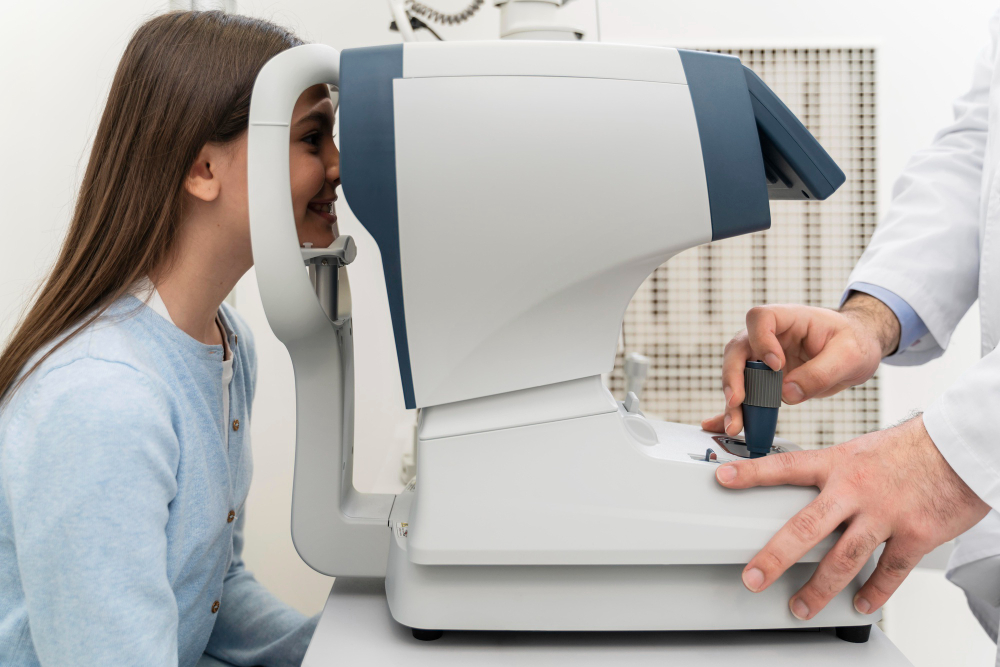
An OCT scan, or Optical Coherence Tomography scan, is a special eye test. It uses light waves to take detailed pictures of the layers inside your eye. Often, doctors use an OCT eye scan to check your retina, which is the part of your eye that senses light. Because it is quick and painless, many eye care clinics use this test for eye health screening. The OCT scan helps doctors find eye problems early, sometimes before you notice any symptoms.
Common Reasons for Recommending an OCT Scan
Doctors may suggest an OCT scan for several reasons. For example, it helps them look for signs of eye diseases. Here are some common reasons why your doctor might recommend this test:
Because OCT scans give clear images, they help your doctor make better decisions about your care.
How an OCT Scan Works
OCT stands for Optical Coherence Tomography. This technology uses safe, invisible light to scan your eye. First, the machine sends light into your eye. Then, it measures how the light bounces back from different layers. As a result, the computer creates a detailed image of your retina and optic nerve. Unlike X-rays, OCT scans do not use radiation. Therefore, they are safe for most people.
What to Expect During the Procedure
Many people feel nervous before a new test. However, an OCT scan is simple and comfortable. Here is what usually happens:
Most of the time, you do not need eye drops. But sometimes, your doctor may use drops to widen your pupils for a better view. After the scan, you can return to your normal activities right away.
Benefits and Limitations of OCT Scans
OCT scans offer many benefits for eye health screening and retinal imaging. For instance, they help doctors:
However, OCT scans also have some limits. For example, they may not show all eye problems. Sometimes, very cloudy eyes or severe cataracts can block the scan. In those cases, your doctor may need other tests. Still, OCT is a valuable tool for most patients.
Frequently Asked Questions
When to Consult Your Eye Doctor
Regular eye exams are important for everyone. If your doctor recommends an OCT scan, it is usually to check for or monitor eye problems. Even if you have no symptoms, early detection can protect your vision. Therefore, follow your doctor’s advice and ask questions if you are unsure. If you notice changes in your vision, such as blurriness or dark spots, contact your eye care specialist right away.
For personalized advice about OCT scans and your eye health, consult your eye care specialist.