
Introduction
Are you struggling with clear vision? Astigmatism could be the reason. Astigmatism is a common eye condition that can cause blurry vision. It happens when the shape of your eye is not perfectly round. Because of this, light does not focus evenly on the retina. As a result, you may notice trouble seeing clearly at any distance. Many people search for blurry vision causes or want to know about astigmatism symptoms. If you want eye health tips, understanding astigmatism is a great place to start.
What is Astigmatism?
Astigmatism is a vision problem that affects how your eye focuses light. Normally, the cornea (the clear front part of your eye) is round. However, with astigmatism, the cornea or lens has an uneven shape. Because of this, images can look blurry or stretched. Astigmatism is very common and can happen along with nearsightedness or farsightedness. According to the American Academy of Ophthalmology, most people have some degree of astigmatism.
Common Symptoms of Astigmatism
Many people do not notice mild astigmatism. However, as it gets worse, symptoms become clear. For example, you might notice:
Sometimes, children may not complain but may struggle in school. Therefore, regular eye exams are important for everyone.
Causes and Risk Factors
Astigmatism usually happens because of the shape of the cornea or lens. Some people are born with it. Others may develop it after an eye injury, surgery, or disease. In addition, certain risk factors can make astigmatism more likely:
Although anyone can get astigmatism, it often runs in families. Therefore, knowing your family history can help.
How Astigmatism is Diagnosed
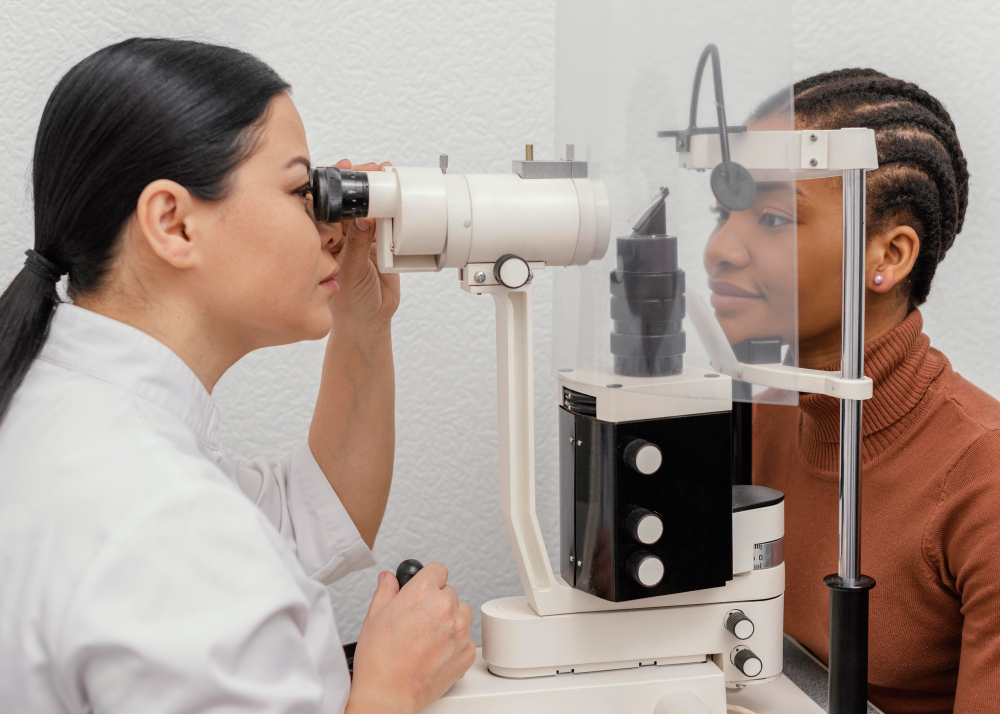
Eye doctors use simple tests to check for astigmatism. First, they may ask you to read letters on a chart. Next, they use special tools to measure how your eye focuses light. Sometimes, they use a device called a keratometer to check the shape of your cornea. Because these tests are quick and painless, you can get answers in one visit. According to the CDC, regular eye exams help catch vision problems early.
Treatment Options for Astigmatism
There are several ways to treat astigmatism. Your doctor will help you choose the best option. Common treatments include:
For most people, glasses or contacts work well. However, some may choose surgery for long-term results. Always discuss the risks and benefits with your eye doctor.
Lifestyle Tips and Prevention
While you cannot always prevent astigmatism, you can protect your eye health. For example:
Because healthy habits support your eyes, they may help slow changes in your vision.
When to See an Eye Specialist
If you notice blurry vision, headaches, or eye discomfort, it is time to see an eye specialist. Early treatment can prevent problems from getting worse. In addition, children should have regular eye checks, as vision issues can affect learning. If you have a family history of eye problems, talk to your doctor about how often you need exams.
Conclusion
Astigmatism is a common cause of blurry vision. However, with the right care, you can see clearly again. If you have any symptoms or concerns, consult an eye specialist for personalized advice. Your eye health matters, so take action today.